Background
The need for informed and efficient claims reporting and settlement is not a new need. But the cost of obtaining informative and comprehensive insight into claims has become an increasingly larger burden that Insurers carry. These increased costs get passed onto the consumer making it ever more difficult to remain a contender in the insurance market.
Loss adjusters provide valuable insight into claims, risks and policy holders. Their comprehensive assessment reports detail the loss, verify the policy cover and calculate a reasonable claim settlement for the insured client, protecting Insurers for over inflated claims, while being fair to insured clients. Although the value of appointing a loss adjuster is undisputed, the cost of appointing loss adjusters on claims escalates and the turn-around time added to claims is lengthy, by the very nature of a loss adjustment being comprehensively and satisfactorily attended.
- Increased turnaround time
- Increased cost to claim
- Overcomplicated Reports
- Hourly Billing
Despite this, loss adjusters will always have a valuable contribution to make to the Insurance industry, specifically for complex, high value or technical losses.
Over the past number of years, in seeking to reduce the claims administration costs, Insurers have moved away from appointing loss adjusters as frequently, in favour of Incident Management Centres or Builders.
- Limited to Buildings & Geysers
- Underinformed to qualify a claim
- Conflict of interest
- Limited to their panel
Floor Settlements are conducted within claims departments and offer the most time efficient way to settle insurance claims. These claims are however lower value and simple claims. Claims staff may have the required qualifications to apply and interpret a policy schedule and wording, but they lack the fundamental on-the-ground knowledge that can only be obtained through the experience of interacting with clients and contractors on a face-to-face basis, physically inspecting, touching and feeling damaged property and probing for information that is not volunteered by the clients or contractors.
- Lack On-site Experience
- Low Mandates
Each one of these claims tracks have their pros and cons, and each add value to the claims process. Unfortunately, these claims track also sacrifice claims administration cost, qualified opinion, integrity and validated information.

The Claims Processing Centre
Innovating the Claims Process
The solution lies in an amalgamation of these tracks. The Claims Processing Centre offers this hybrid claim track, taking the best aspects of each and combining them to provide the ultimate claims track.


The Claims Processing Centre
What we do
Vet Claim Details
Investigate Cause
Determine Policy Response
Validate Scope of Repair
Apply Rate Cards
Obtain Alternate Quotes
Investigate Market Related Costing
Negotiate Settlement
Background
For nearly 20 years Jeffery Smith has worked with Insurance Claims. Starting at a loss adjusting firm, as an assistant, he soon grew to understand the industry and was soon running the telephonic assessment portfolio of a nation-wide prestigious bank broker. In 2008 he ran a successful loss adjusting firm in Gauteng, serving commercial and domestic insurance industries alike. He also served on the ILASA's Southern Gauteng committee representing the education portfolio. On moving to Cape Town, Jeffery took up a position at an IMC, and for the past 4 years has attempted to bring the service and standards of IMCs into the fold of the Insurance Industry. With 16 years of Loss Adjuster Experience and a further 4 years at an IMC, there is no better vantage point to see the disadvantages and advantages of either sector. Jeffery brings the hands-on knowledge and the investigative skills required to conduct appropriate remote assessments, in the hopes of setting a new standard, remedying the failings of the current "industry leaders".
Services
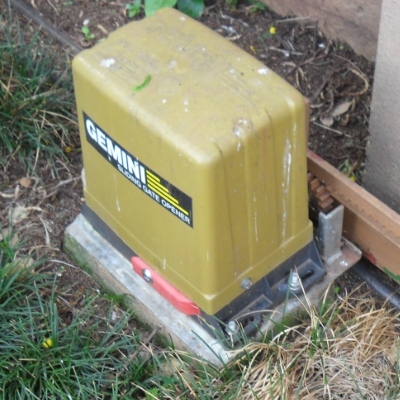
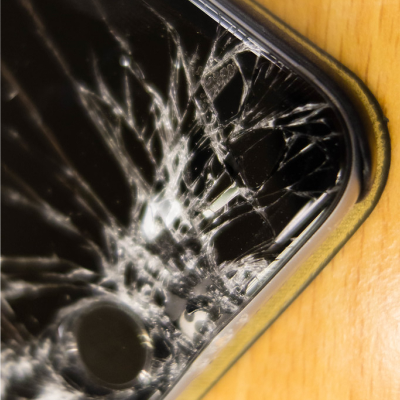
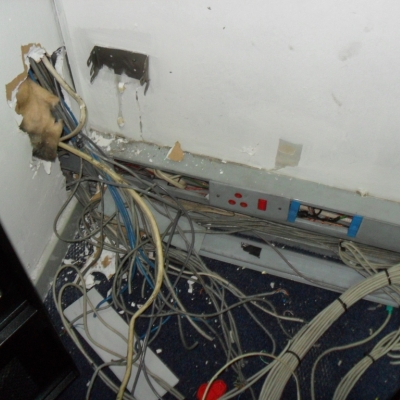
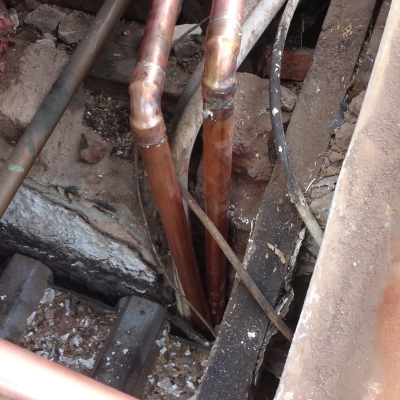
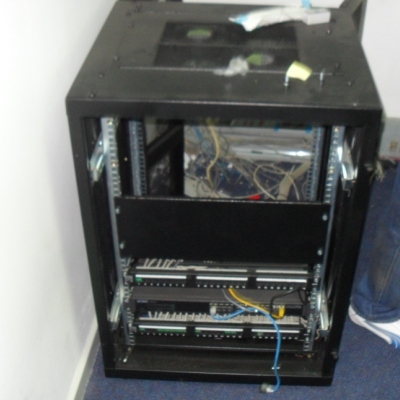
With a wide scope of experience and a collected knowledge of buildings, plumbing, automation, electrical, electronics, hot-water heaters, mobile and laptop devices, not to mention commercial properties, machinery (large and small), office contents, theft, etc., we service a wide range of claim types.
Types of Claims
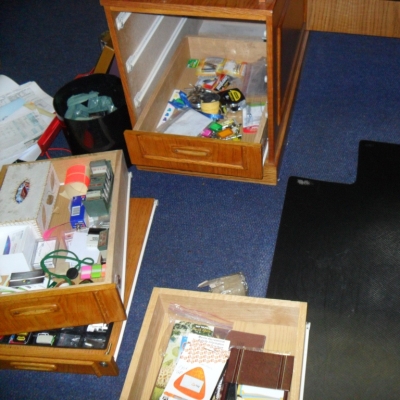
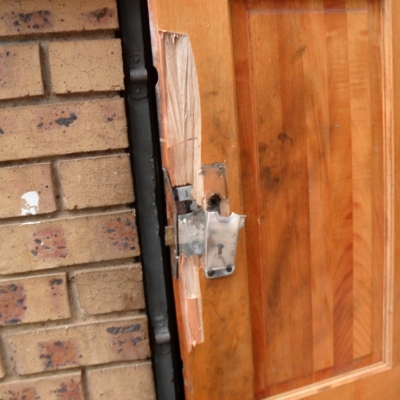
Our exposure to the majority of the claims industry diversifies the claims that we can handle. Below are a few examples of our core claim functions
Building
- Roof Leak, Resultant Damages Etc.
- Photographic examination
- Report / contractor queries
- Verification of cause of damage
- Application of Insurer specific conditions and assessment of merits
- Claim recommendation according to Insurers' Claims Philosophies & Procedures
- Application of policy specific conditions, such as matching building material clauses or limits on cover.
- Confirm whether the damages are incident related, or result from inadequate maintenance, poor design, or building.
All Risks & Contents
- Replacement values are often inflated by clients, who do not necessarily understand the cover provided.
- We verify model numbers and specifications to source suitable replacement values.
- Replacement items can be sourced from contracted suppliers (to minimise cash settlements) or public suppliers.
- Where applicable, IMEI and Serial numbers are verified.
- Confirmation of reasonable actions taken by the client (Verify SAPS case numbers)
- Application of policy limits.
- Where required, a contracted jeweller can be dispatched to the client to ascertain the specifications of the lost item(s) and generate a suitable replacement quote.
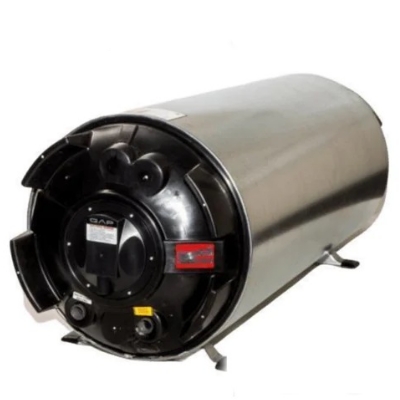
Geyser Claims
- With amendments to the SANS, PIRB and IOPSA regulations, replacement of geysers has become more complicated.
- Cover is often limited to exactly like-for-like; or to allow for compliancy works; to include critical function repairs; or limited to critical safety items only, depending on Insurers’ Claims Philosophy and Procedures.
- Some of these SOP’s however come into direct conflict with PIRB regulations and good plumbing practice, where plumbers are left to either attend to the compliancy repairs/replacement at their own cost or risk an audit by the PIRB or voiding of the geyser warranty.
- Often these compliance costs are invoiced to the client, who in turn passes these costs onto Insurers.
- We verify reasonable costs related to the geyser replacement or repair and apply the limitations according to Insurers SOP.
Extent of Services
As our client, you prescribe to us how far our engagement should go. The extent of our services include the below:
Assess Only
- Examination of documentation and photographic evidence submitted
- Determine circumstances of loss
- Discuss cause and cost with the client and the contractor
- Adjust the cost in line with SOP
- Submit a comprehensive report with recommended settlement amounts and routes.
Assess & Negotiate
- Examination of documentation and photographic evidence submitted
- Determine circumstances of loss
- Discuss cause and cost with the client and the contractor
- Adjust the cost in line with SOP
- Negotiate the settlement with the client
- Submit a comprehensive report with drafted settlement documentation (AOLs/Authorisations) for Insurers to action
Assess & Settle
Note: These services are subject to our awarded mandate
- Examination of documentation and photographic evidence submitted
- Determine circumstances of loss
- Discuss cause and cost with the client and the contractor
- Adjust the cost in line with SOP
- Negotiate the settlement with the client
- Instruct Contractors or Suppliers to reinstate
- Obtained signed Agreements of Loss for Cash settlements
- Submit a comprehensive report with completed settlement documentation (signed AOLs/Invoices) for Payment
Sectors
With a wide range of experience and exposure, we deal with multiple types of claims
- All
- Personal
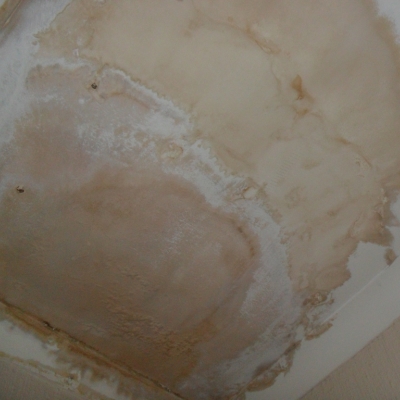
- Building
- Commercial
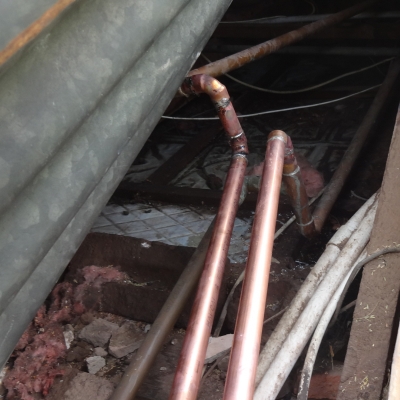
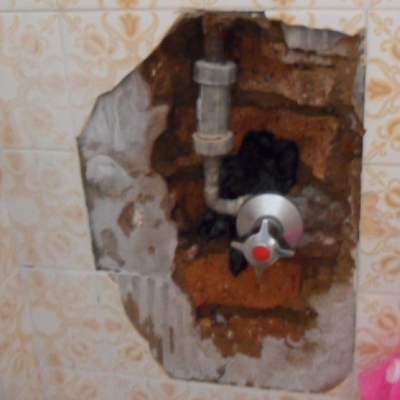
- Plumbing
- All Risks
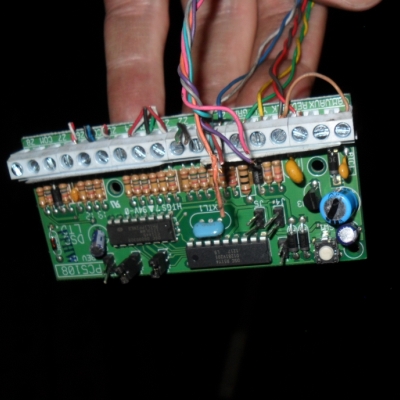
- Electrical/Electronics
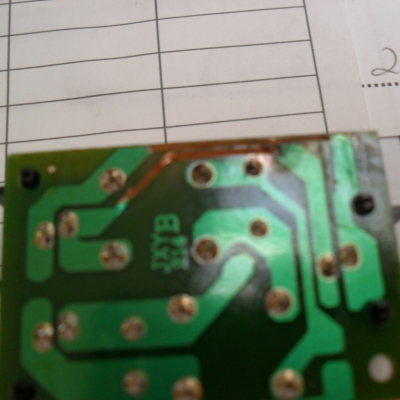
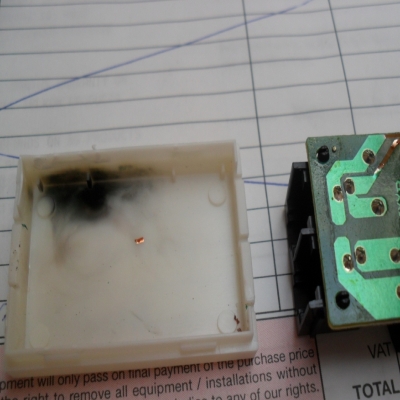
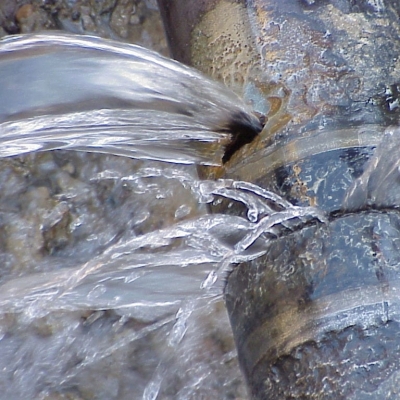
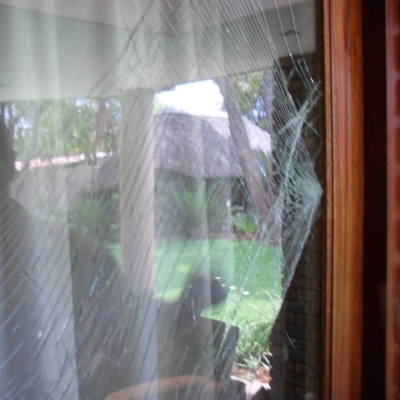
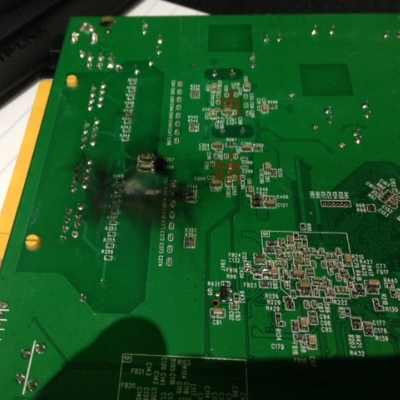
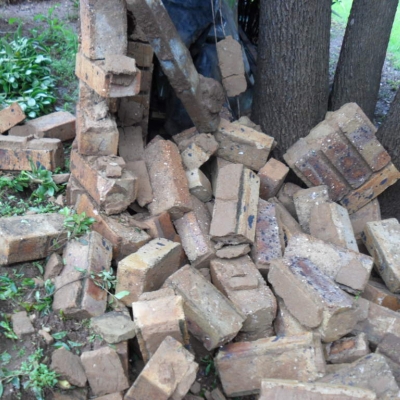
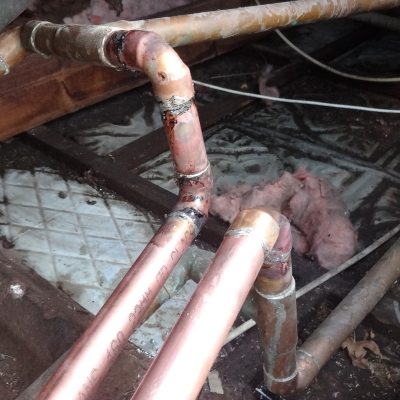
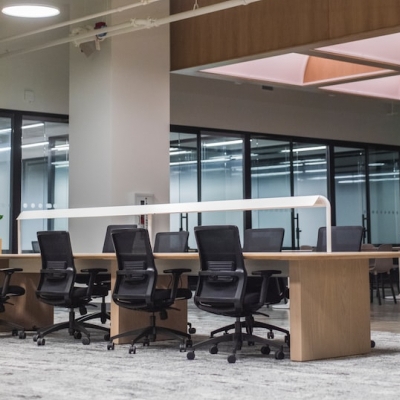



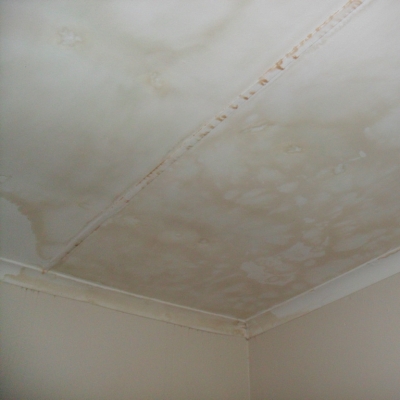



CAT Events
Catastrophic events can make or break a claims team, and it is critical to ensure that CAT claims are handled both care and diligence, from first contact to the final claim settlement.
During CAT events, it is critical that site inspection be attended to as soon as possible. There is naturally a backlog that occurs during CAT events, which causes a knock-on effect throughout the entire process. This makes it difficult to determine the scope of the related damages vs old damages when assessments are conducted 30 days or more after a CAT event.
Our Eyes-On-The-Ground strategy aims to prevent, categorise, prioritise and provide on-the-fly information to Insurers so that immediate action can be taken, and liability can be limited.
Client Contact
Clients will be contacted and reassured of our best efforts. Appointments will be scheduled.
Categorise
Claims are categorised as red, yellow or green. Red claims are critical and pose risk of further damage or safety. Green claims are sound, and will receive a lower priority.
Specialists
If specialists are required (electricians, engineers, scaffolding), we can appoint them directly according to availability, or we can notify Insurers to appoint.
Quantify
If able to, we will quantify the damages during our site inspection. We can then offer a cash settlement to the client, limiting Insurers’ liability going forward.
Comprehensive Report
A comprehensive, but brief, report will be submitted, including photographs and costs.
Eyes-On-The-Ground
Our CAT assessment process is not a full claims management process. It is in place to ensure that priority claims are categorised as such, valuable resources are dispatched to where they are needed and to limit insurers liability.
Contact
Please feel free to make contact with us should you have any further enquiries.
Location:
Although we are based in Cape Town, our services are provided remotely, and we can assist throughout South Africa
Email:
claims@TheCPC.co.za
Call:
(087) 147 8852